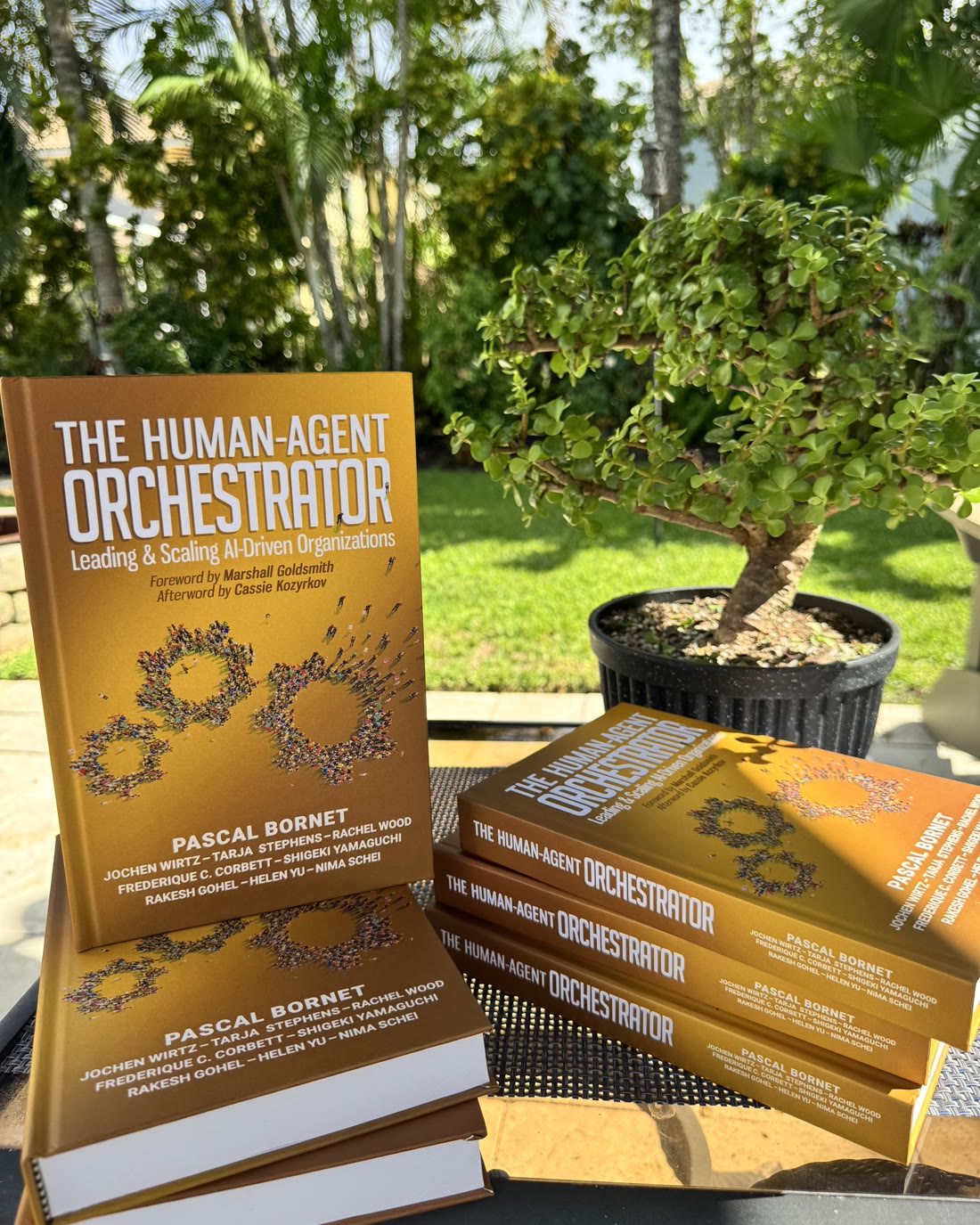
The Human-Agent Orchestrator
The management playbook for a world where AI is becoming part of everyday work.
The management playbook for a world where AI is becoming part of everyday work.
AI is giving people new management responsibilities faster than organizations are preparing them for.
As AI agents enter everyday workflows, leaders face questions most organizations have never had to answer before. What should AI be allowed to do? What decisions stay with people? Who reviews the work? When should someone intervene or stop the system?
The Human-Agent Orchestrator gives leaders a practical framework for managing this new reality.
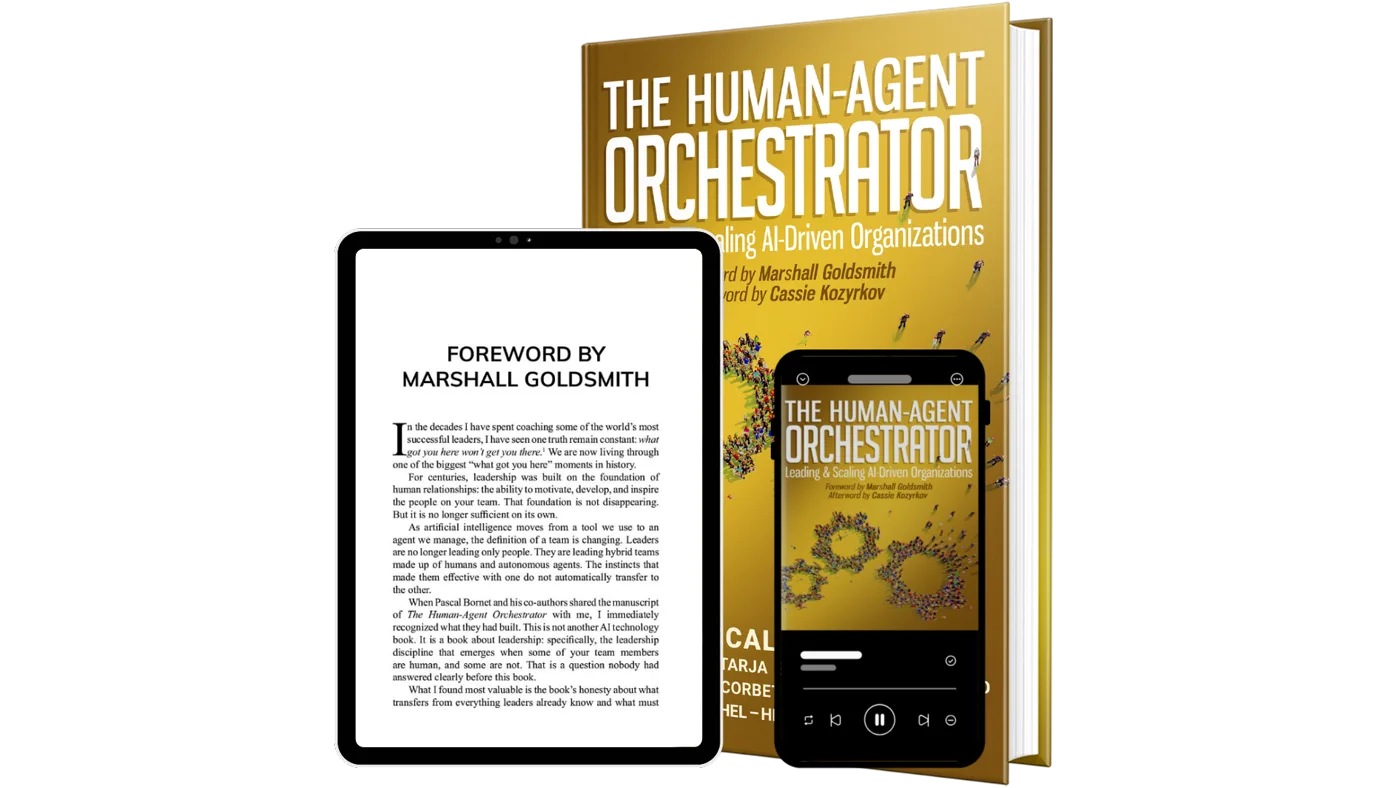

The era of the user is ending. The era of the Orchestrator has begun.
Marshall GoldsmithFrom the foreword. Two-time Thinkers50 no. 1 leadership thinker
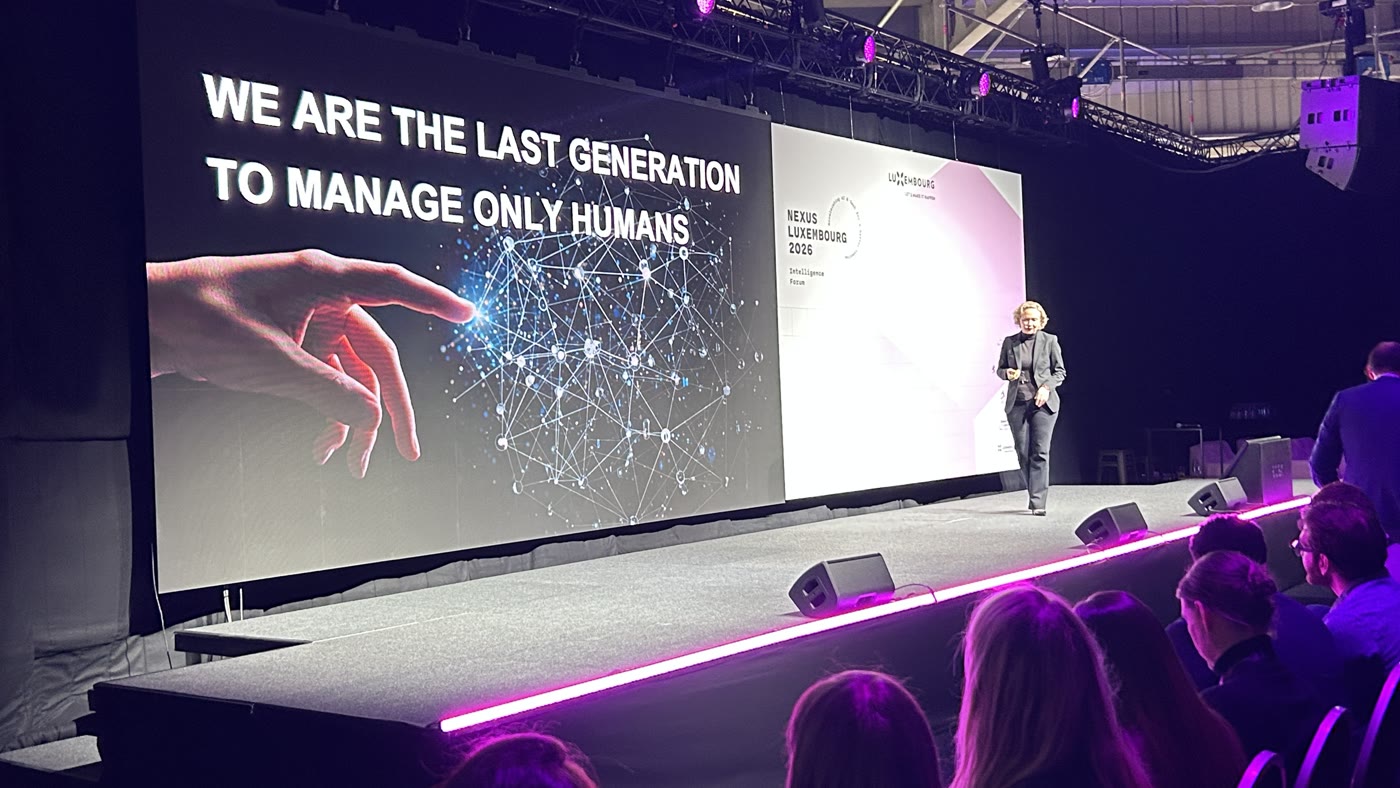
We are the last generation to manage only humans. The next will oversee AI agents doing work at scale. Most leaders are not ready.
The rare organizations achieving 200% productivity gains from AI are not using better technology than those achieving 20%. They are managing it differently.
The authors learned this from failure. Across many AI deployments the pattern was the same: capable agents failed not from weak technology, but from a missing management layer.
Human-Agent Orchestration is that layer. A new discipline for designing, directing, and being responsible for the work AI agents do, built from four years of research across 432 organizations and hard lessons learned in the field.
Old leadership controlled the work. New leadership designs the system that produces it.
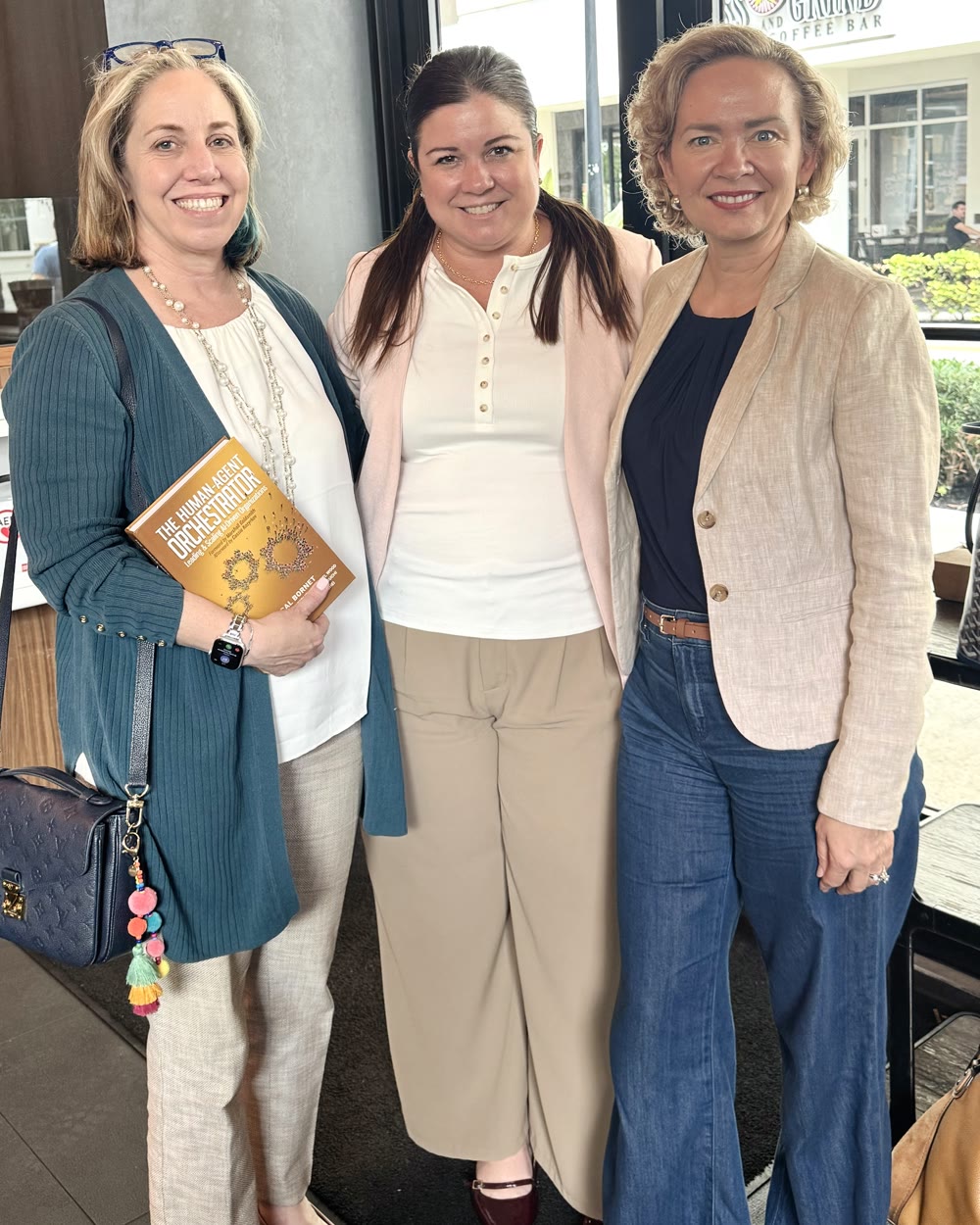
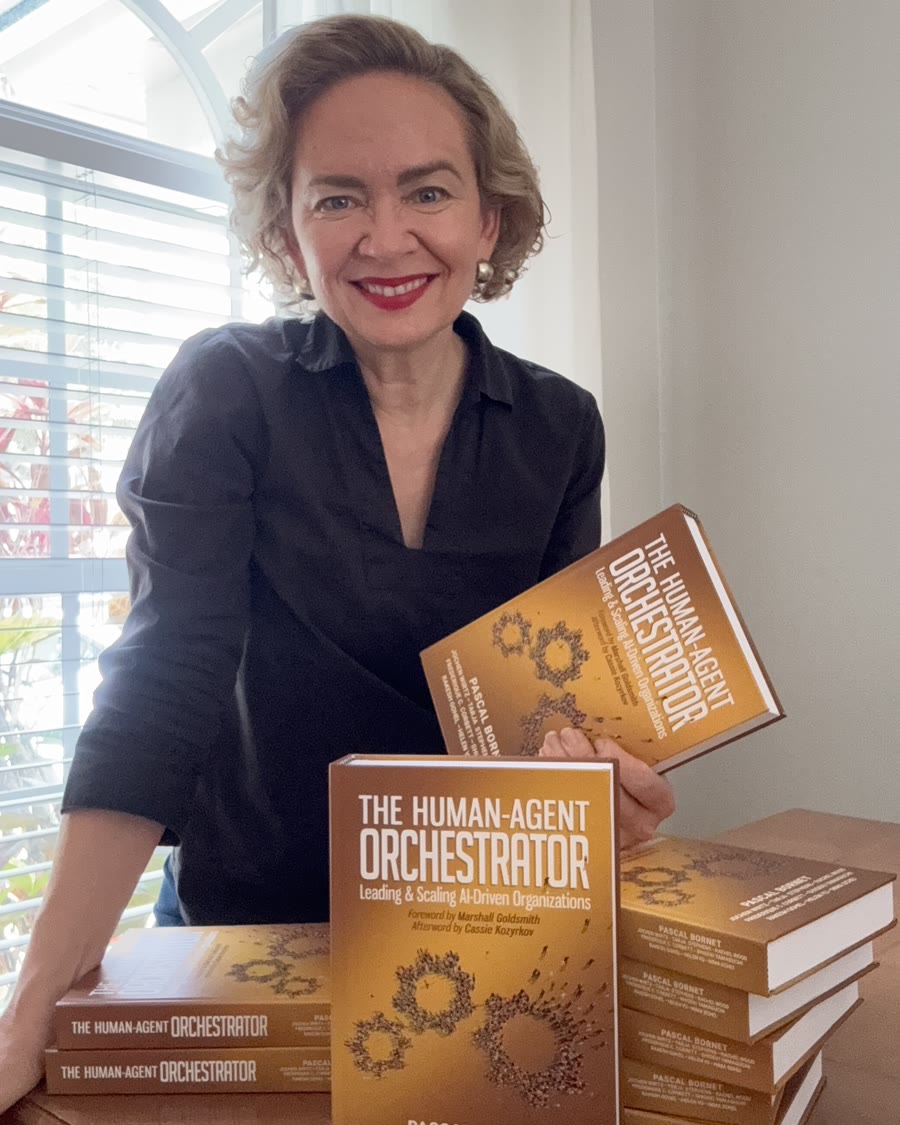
Executives, professors, founders, and researchers, each bringing a different perspective to the same management challenge. With a foreword by Marshall Goldsmith and an afterword by Cassie Kozyrkov.









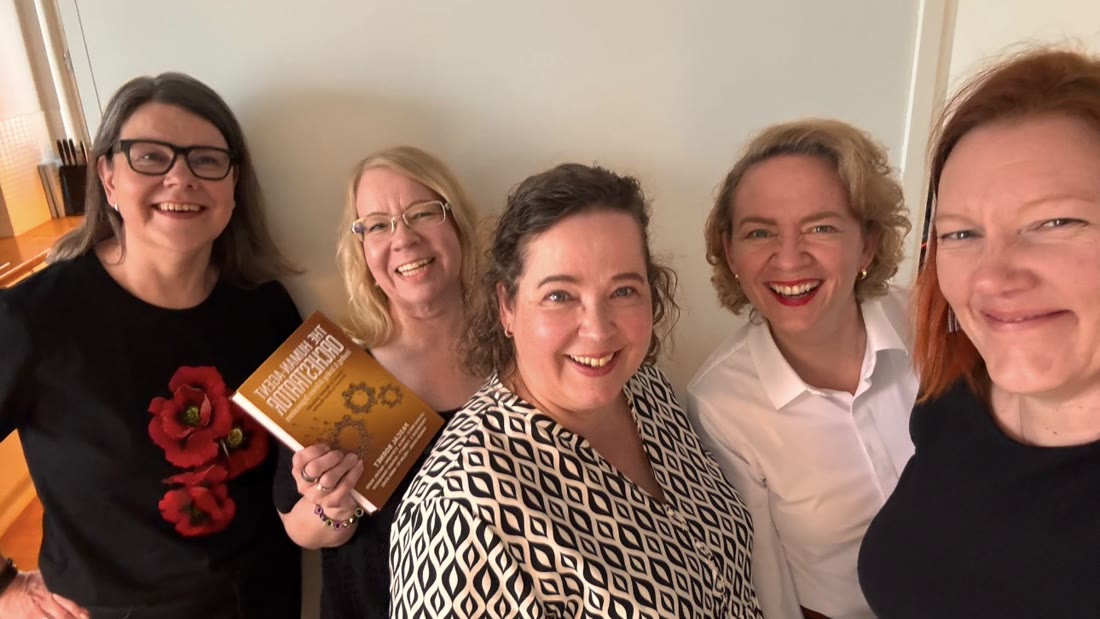
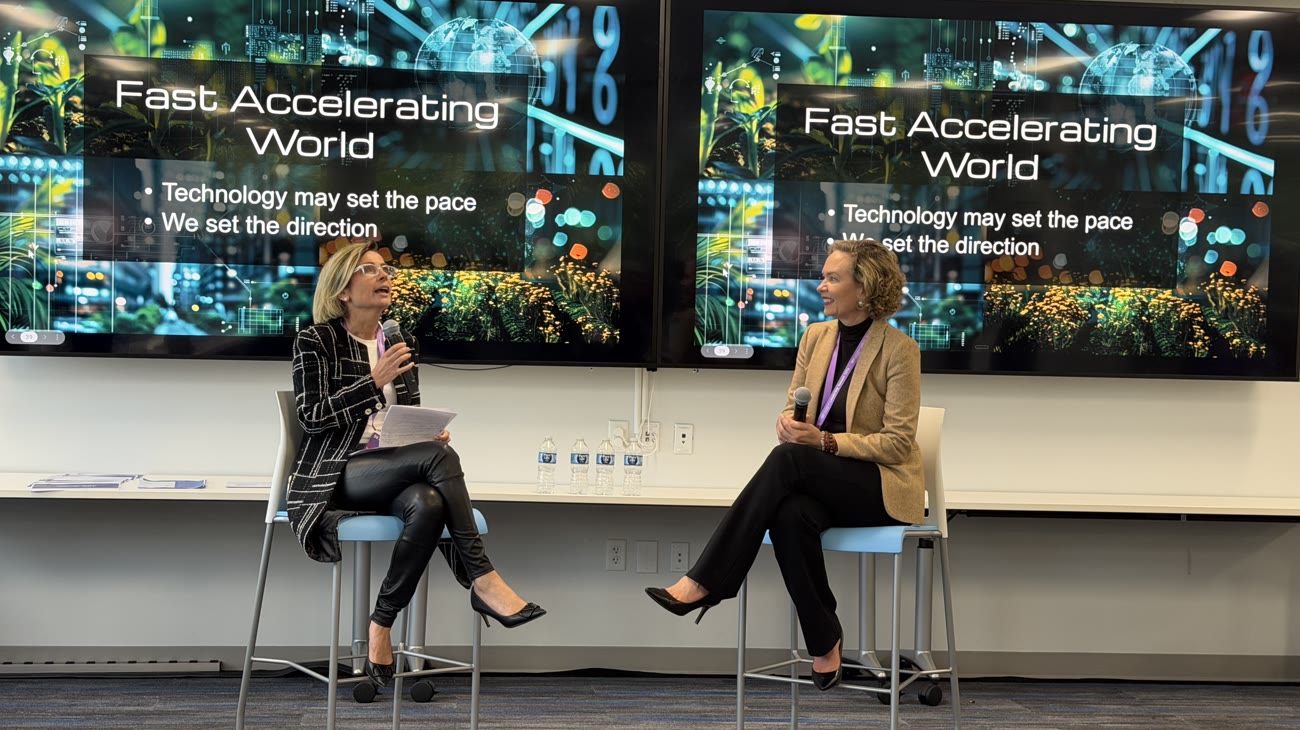
From leadership sessions and industry events to readers around the world, The Human-Agent Orchestrator is opening conversations about how we prepare people to manage and oversee increasingly capable AI systems.
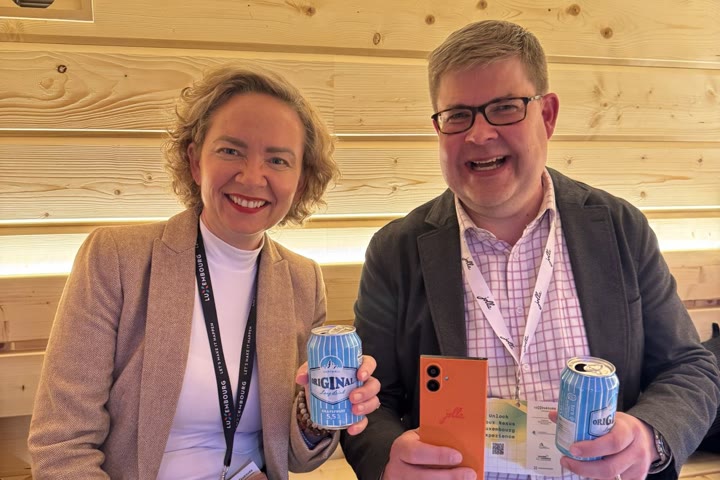
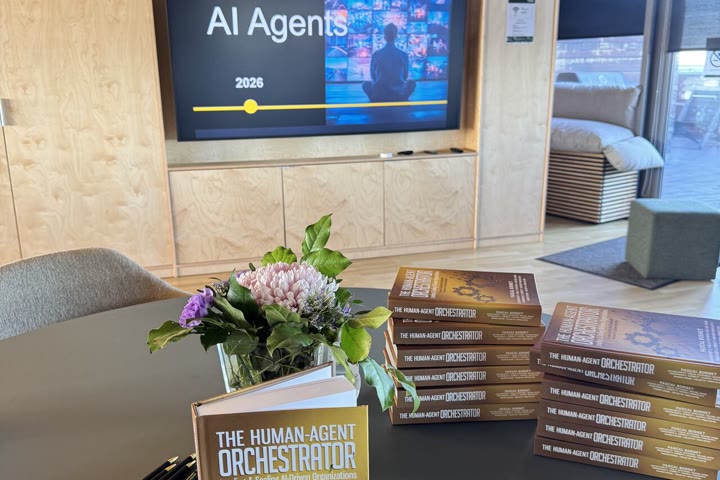
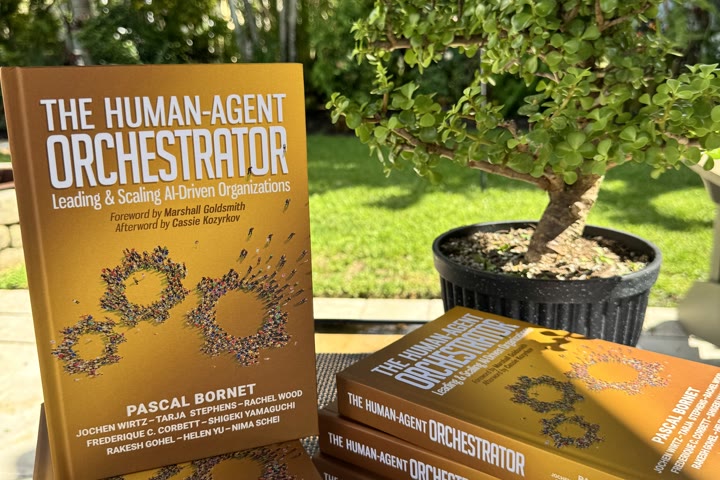
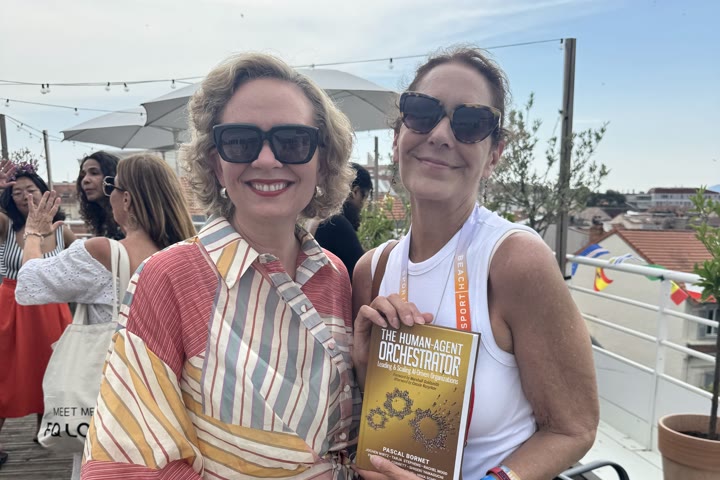
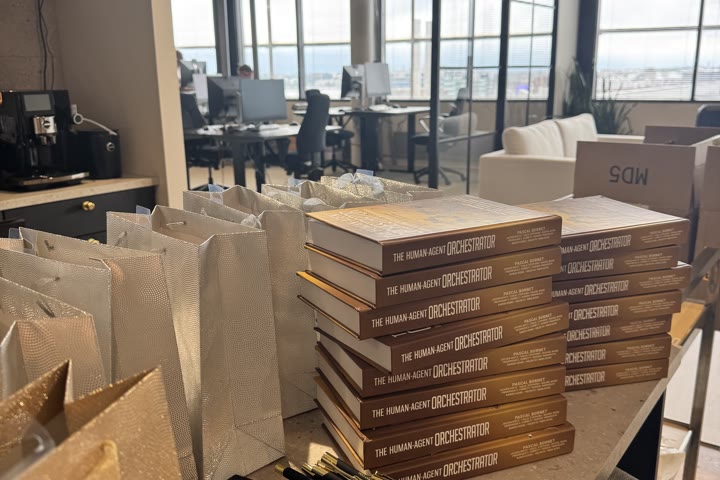

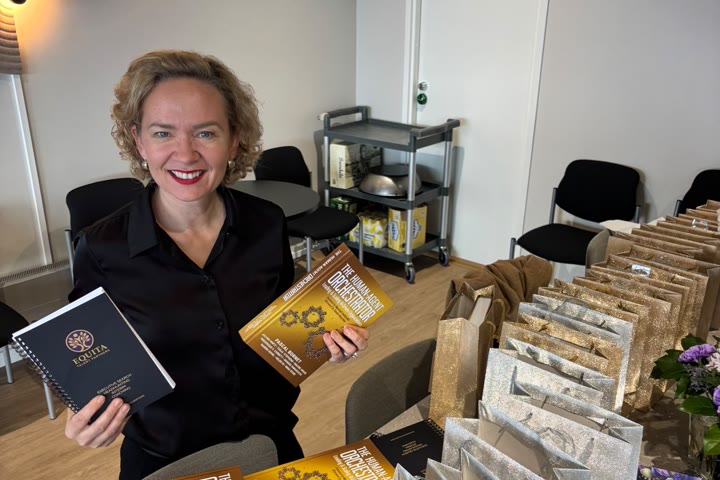
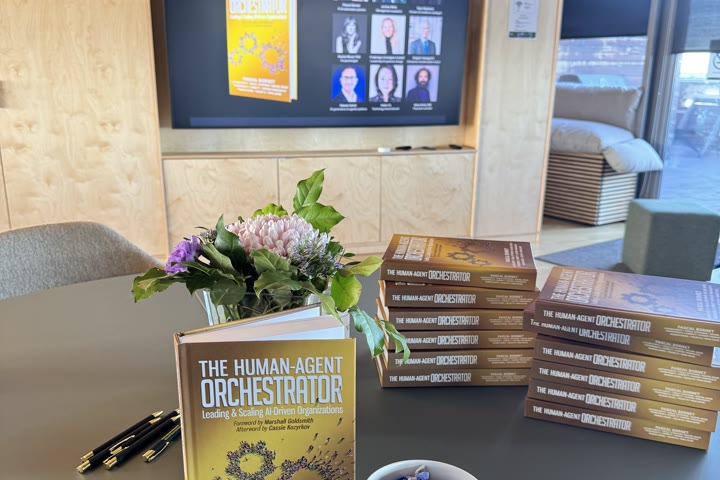
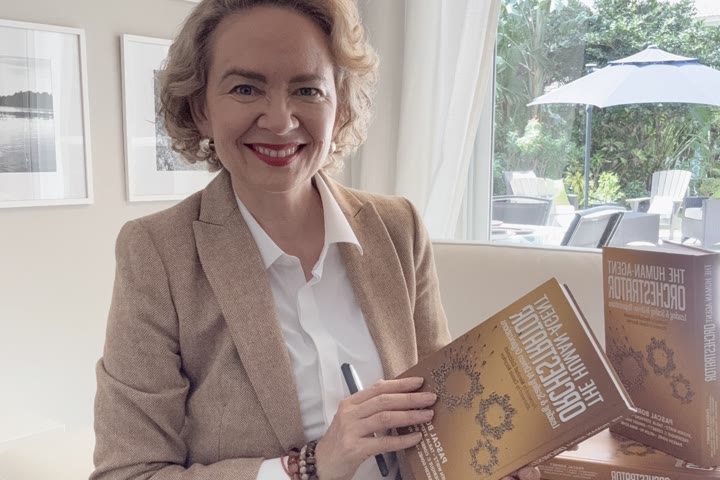
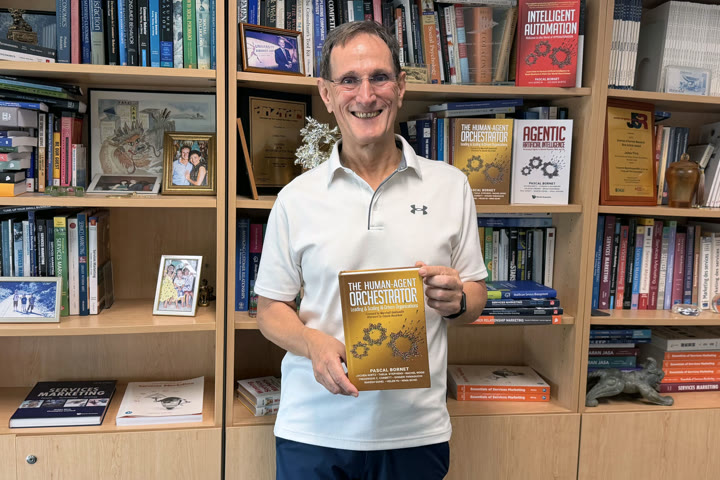
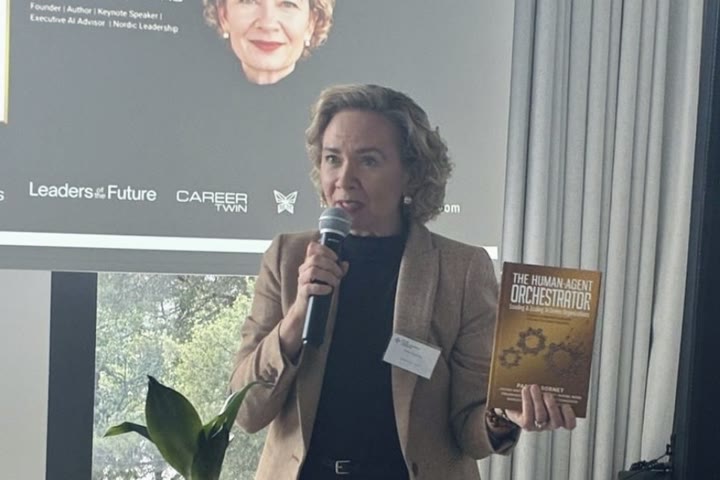

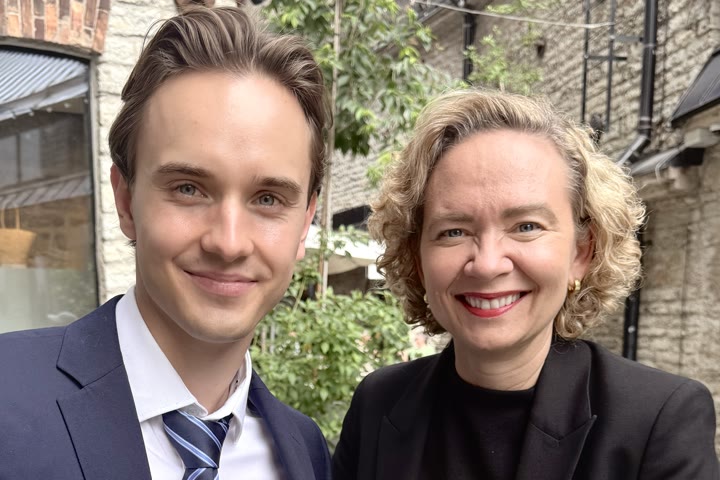
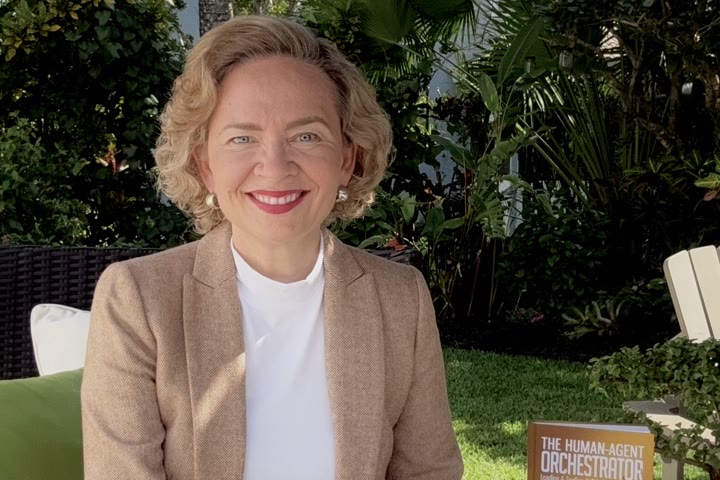
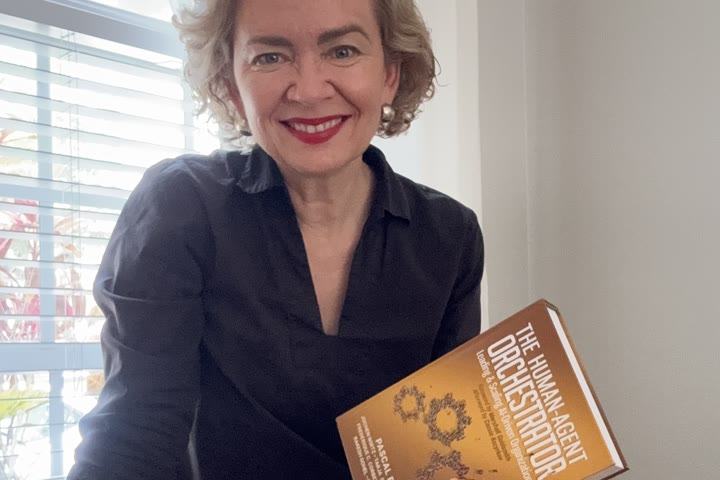
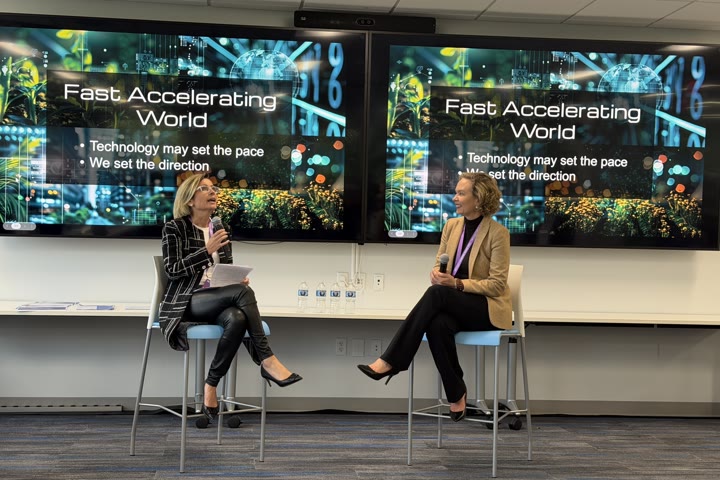
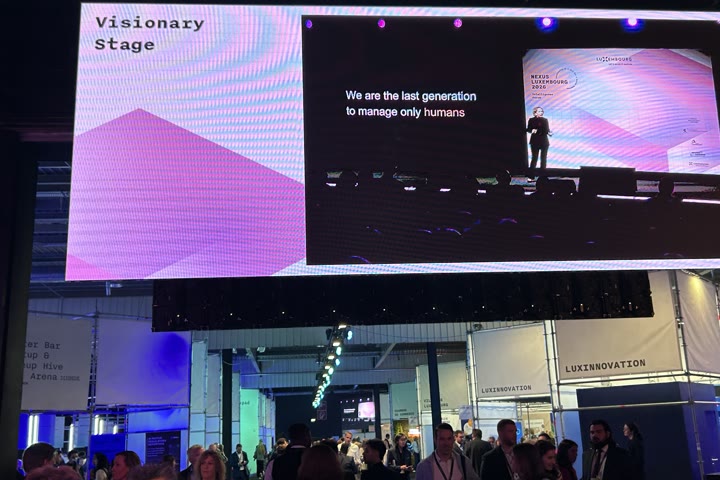
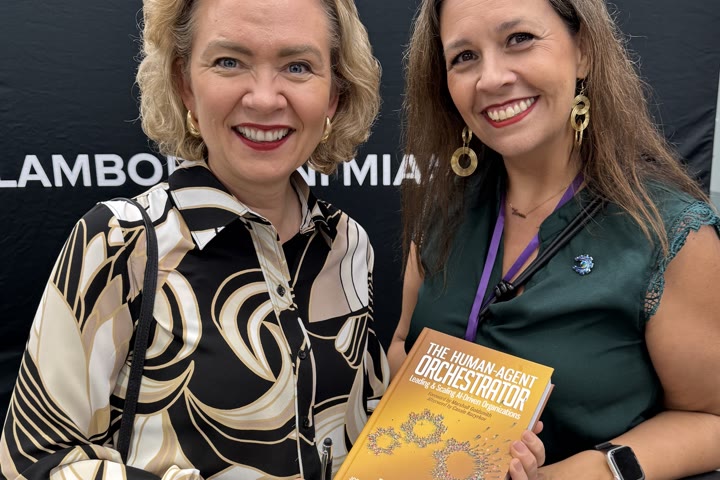
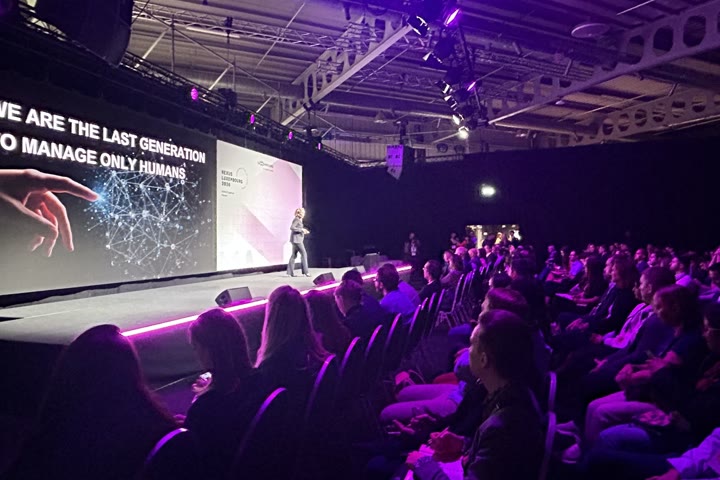
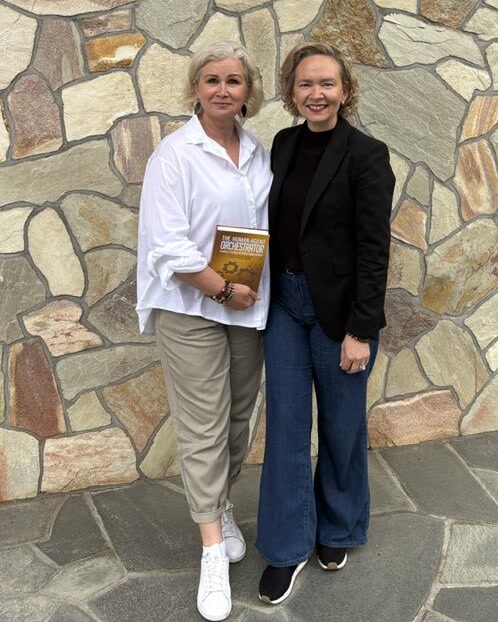
Some of the most meaningful things begin when people with the same passion meet in person. The Human-Agent Orchestrator began with a meeting with Pascal Bornet in Miami, and grew into countless conversations and ideas.
Many of those conversations happened at Miami AI Club gatherings led by Nima Schei, which opened the door to deeper discussions with local leaders and innovators on what AI agents actually do inside a company.
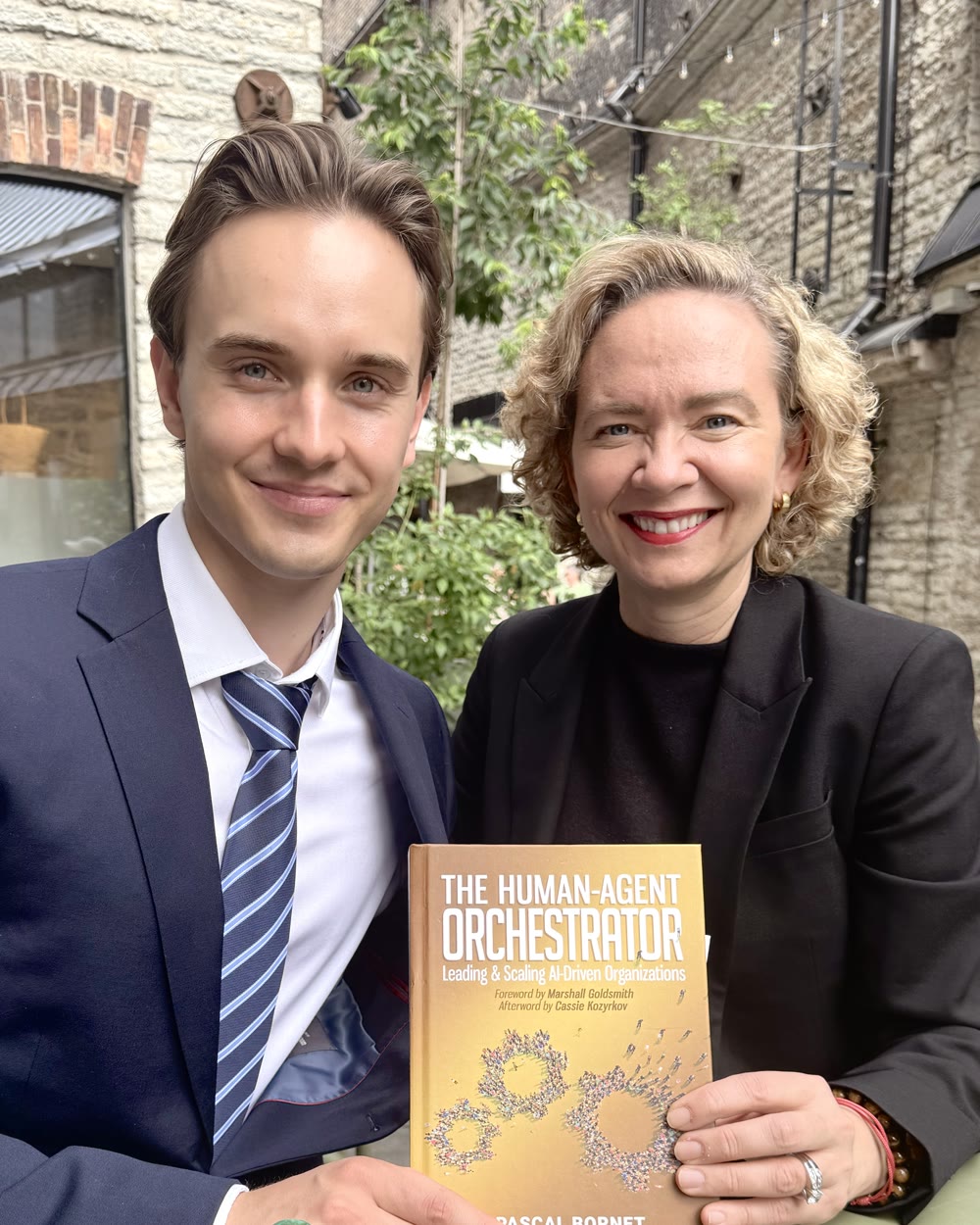
From local meetings in Miami to global conversations with co-authors on three continents, the book became a joint answer to one question that feels more urgent every day: what happens to leadership when work is no longer done only by humans?
Most organizations are focused on building AI agents. Far fewer are asking how to manage them, govern them, assign work to them, measure their performance, decide their autonomy, and redesign human roles around them. That is the missing layer this book was written to address.
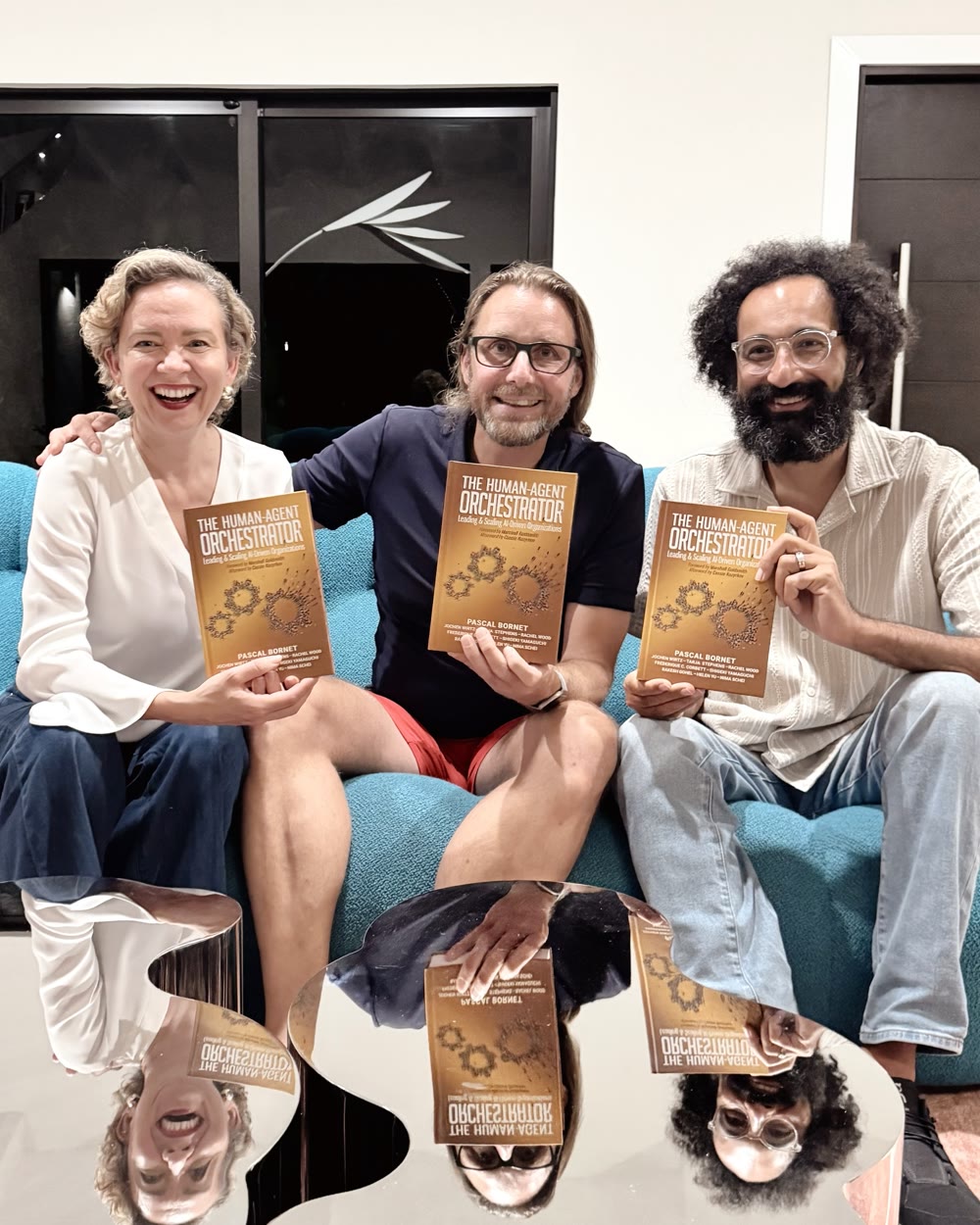
The Human-Agent Orchestrator is for anyone whose role is changing as AI becomes part of everyday work.
Across functions and levels, people are being given new responsibility for work that increasingly depends on AI systems, often before organizations have clearly defined how that responsibility should be managed.

“The Orchestration Design Canvas alone is worth the price. It's the rare framework that's specific enough to use Monday morning and flexible enough to survive a messy real-world workflow.”
“It is not really a book about AI. It is a book about management in the age of AI.”
“The author lineup is phenomenal again… many unique, practical angles packed into one book.”
“It takes seriously the quiet cost to the people whose expertise gets absorbed into ‘agents’.”
“I will reread it immediately to more fully absorb its frameworks, insights, and implications.”
“Its about Leadership not technology, its about change, adoption and ownership. Wish I had this book 2 years ago.”
“This book can be used as a playbook for the next decade of management. It diagnoses the real bottleneck in AI adoption, not models, but management design.”
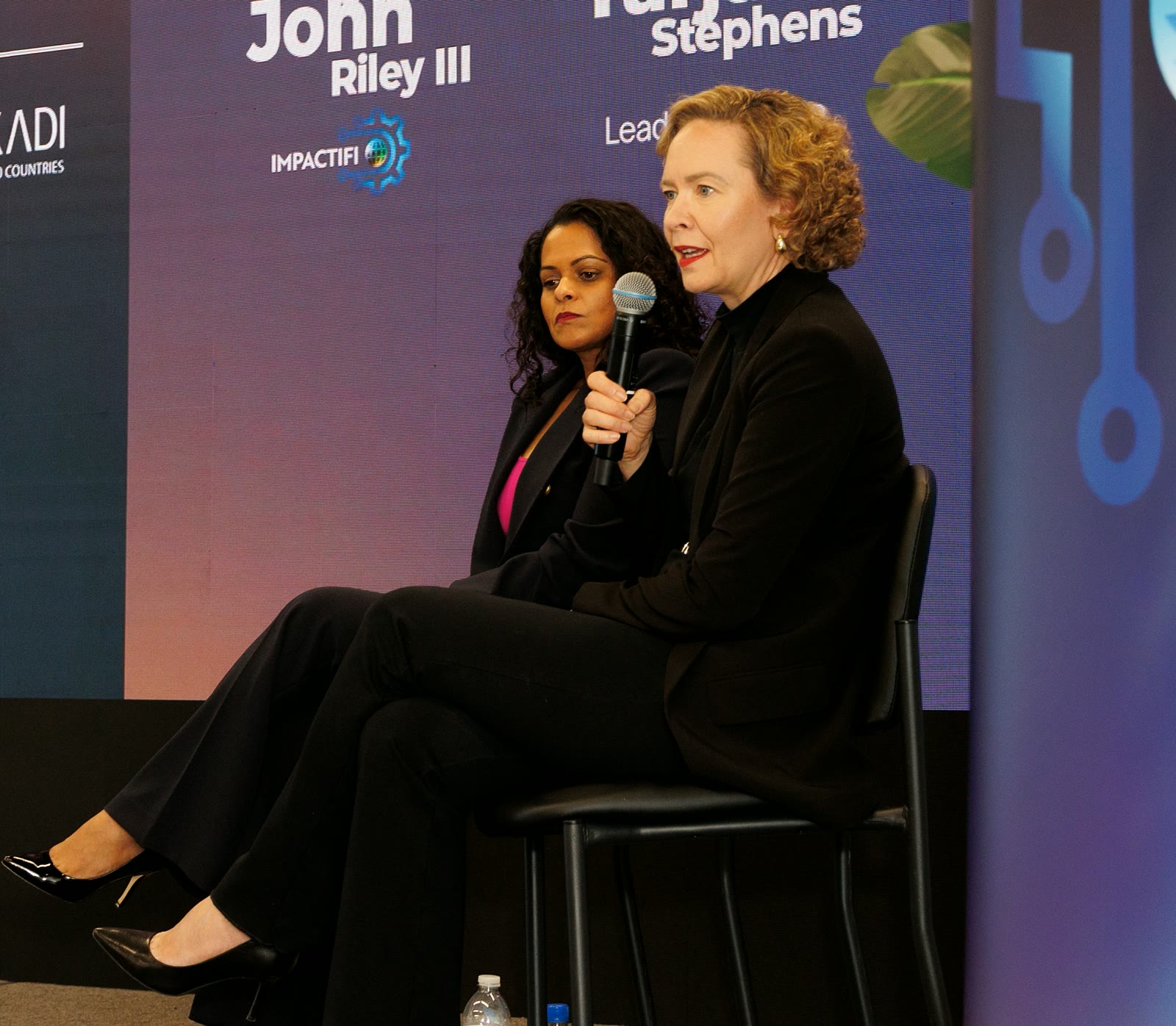
Tarja Stephens is the co-author of The Human-Agent Orchestrator, the executive advisor behind HAIMO, the Human-AI Management Office, and the founder of Career Ventures and Leaders of the Future.
A Finnish-American leader based in Miami, she works with the executives now responsible for the work AI does, and speaks on the leadership shift at summits from Davos to Miami.
Bring The Human-Agent Orchestrator into your leadership conversation.
Bulk orders and speaking engagements are available for executive teams, leadership programs, and company events.
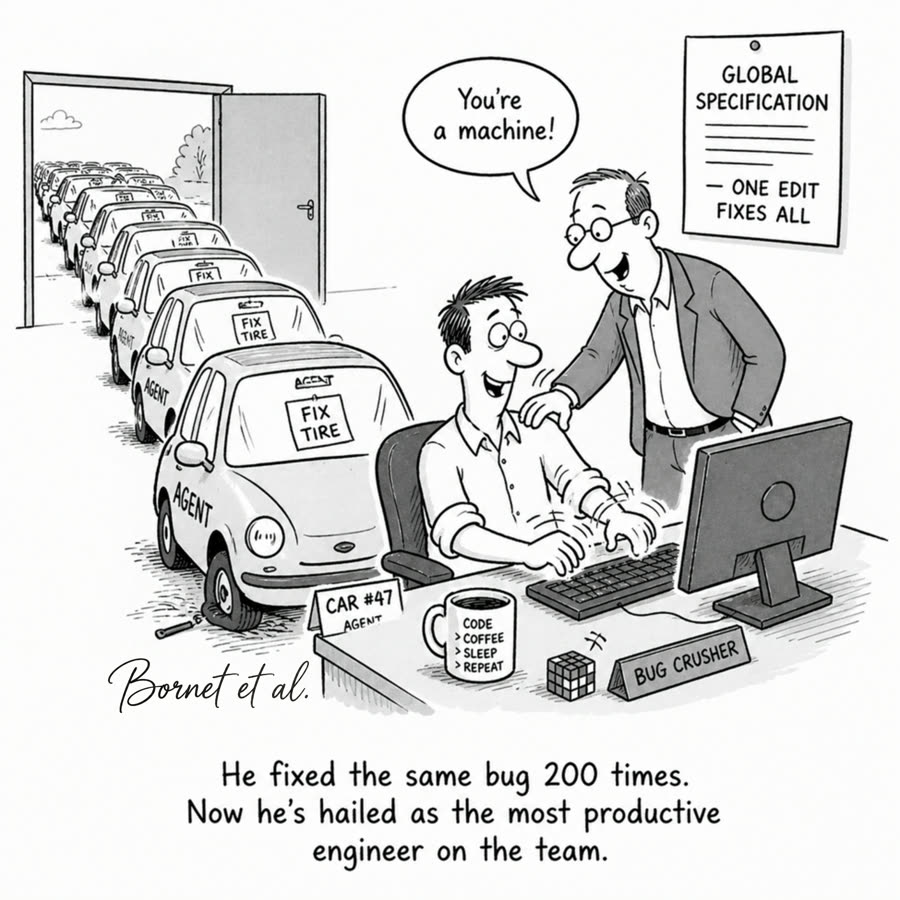
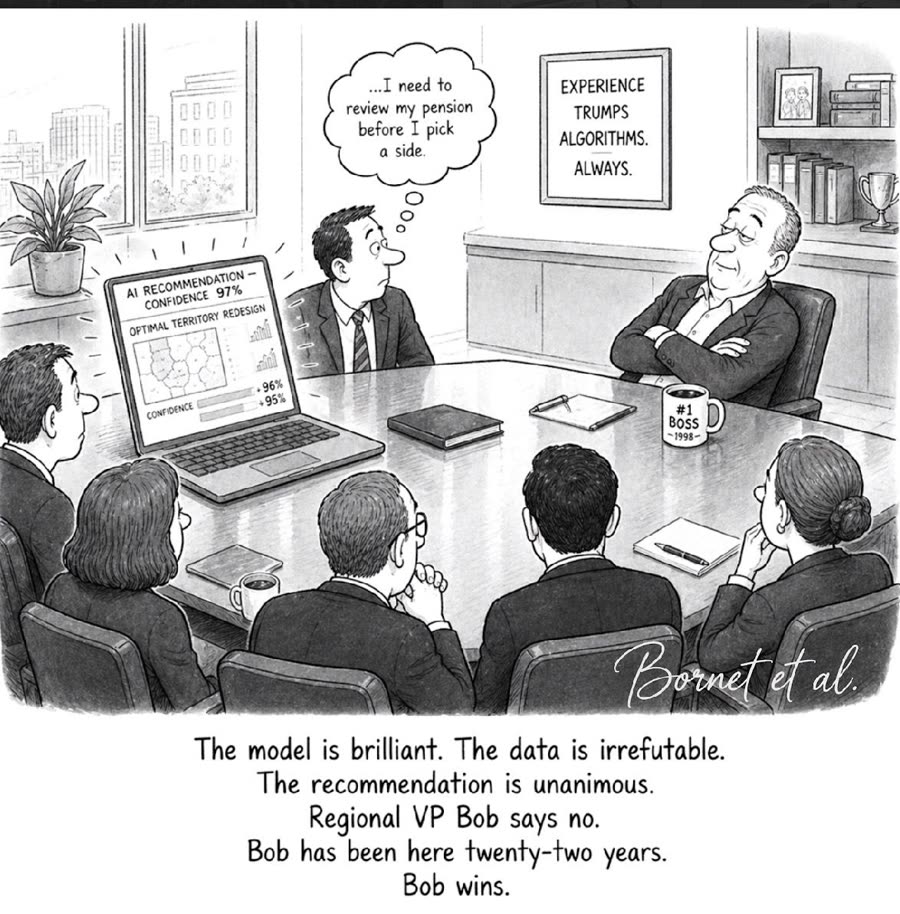
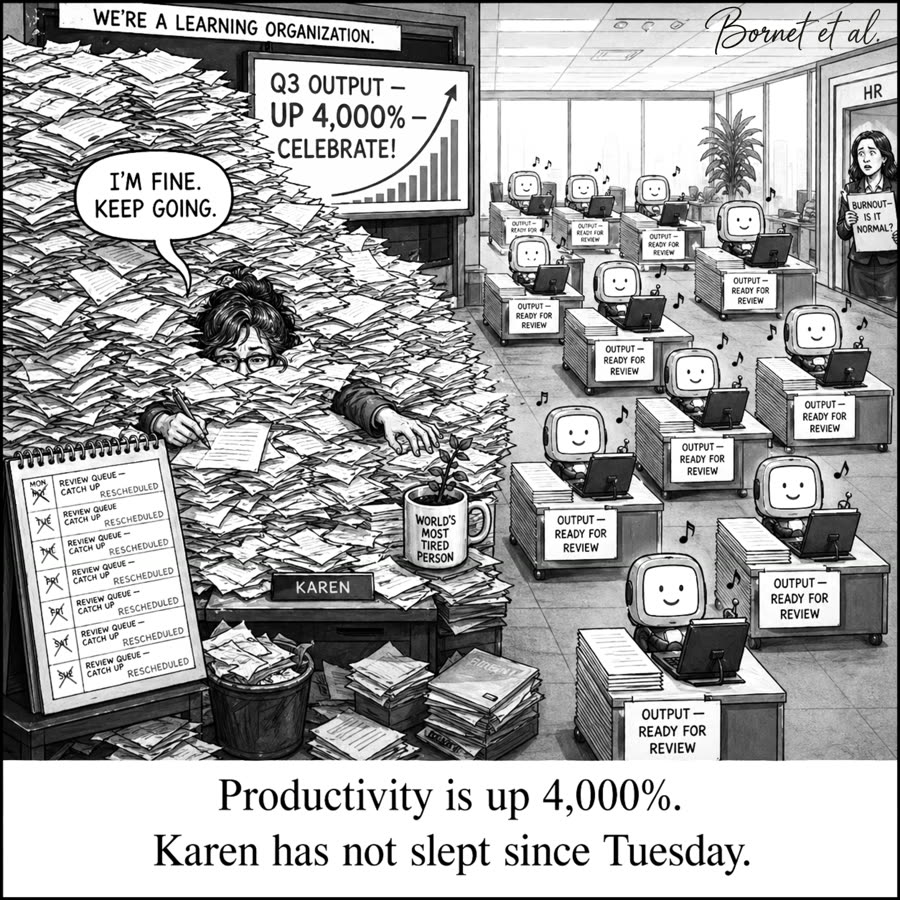
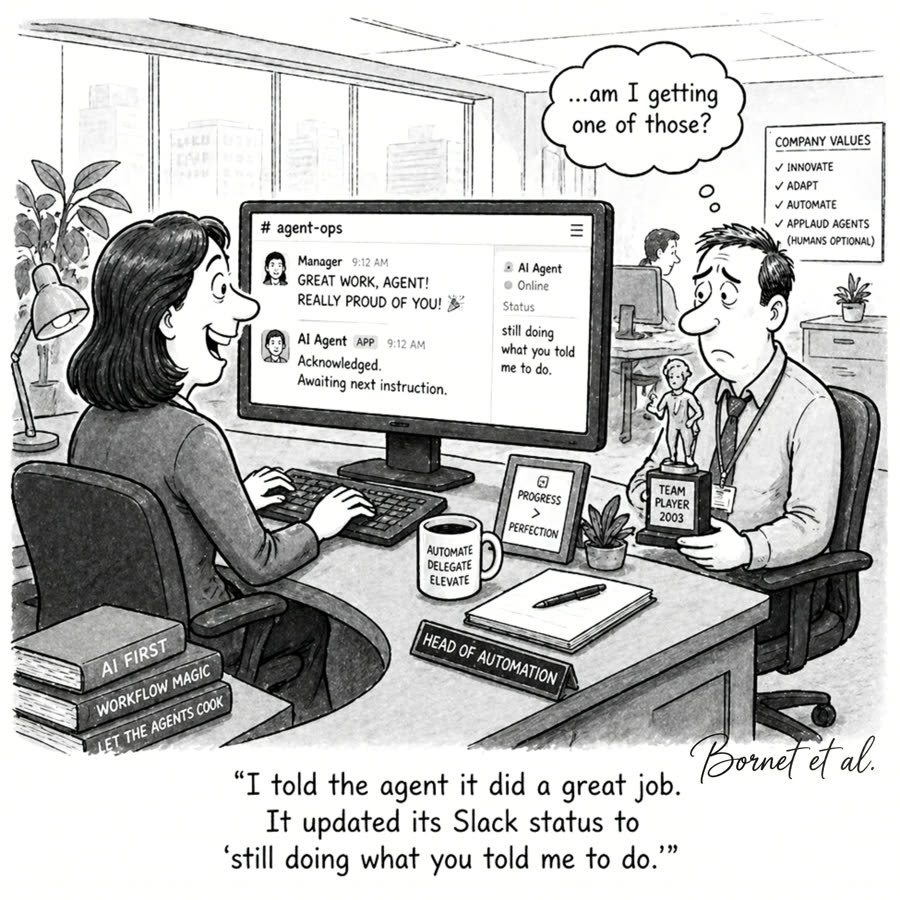
The cartoons that run through the chapters, drawn for the book by Bornet et al.